

TLDR; Elon Musk does not get a fixed daily paycheck. The number people often repeat, around $342 million a day, is really just a rough average based on yearly net worth growth, not a salary or actual cash income, and that difference matters.
Most of his wealth comes from ownership stakes in Tesla, SpaceX, xAI, and X. Because of that, changes in stock prices and private company valuations can make his fortune rise or fall very fast, especially when markets move a lot.
The article also explains that these numbers are paper wealth, and they can drop just as quickly during volatile periods. The main point is that billionaire wealth is usually driven more by asset ownership, long-term bets, and business growth than by traditional earnings like wages or a paycheck.
If you’ve ever wondered how much Elon Musk makes in a day, the basic answer is pretty simple: there is no set daily paycheck. Elon Musk does not earn a regular wage the way most people do. Most of his wealth comes from the value of his company shares and private business stakes. That means his “daily income” is really just an estimate based on how much his net worth goes up or down over time, which is a bigger difference than many people expect. In many cases, that is the part people miss.
For a casual reader, the most useful estimate right now is about $342 million per day. But that number can change very fast. On a strong day for Tesla or SpaceX, his wealth could rise by far more. On a bad day, he can lose billions on paper. The swings are huge. If someone wants the more realistic answer, it usually makes more sense to look at net worth instead of salary.
This guide breaks it down in simple terms. It explains where the number comes from and why it moves around so much. It also looks at which companies matter most, especially Tesla and SpaceX, and why this kind of wealth works a lot like a giant business-building game. And if you like tracking huge numbers, watching empire growth, or playing with wealth ideas in Spend Elon Musk Money, this should make the whole topic easier to understand.
The simple answer: how much does Elon Musk make a day in net worth, not a paycheck
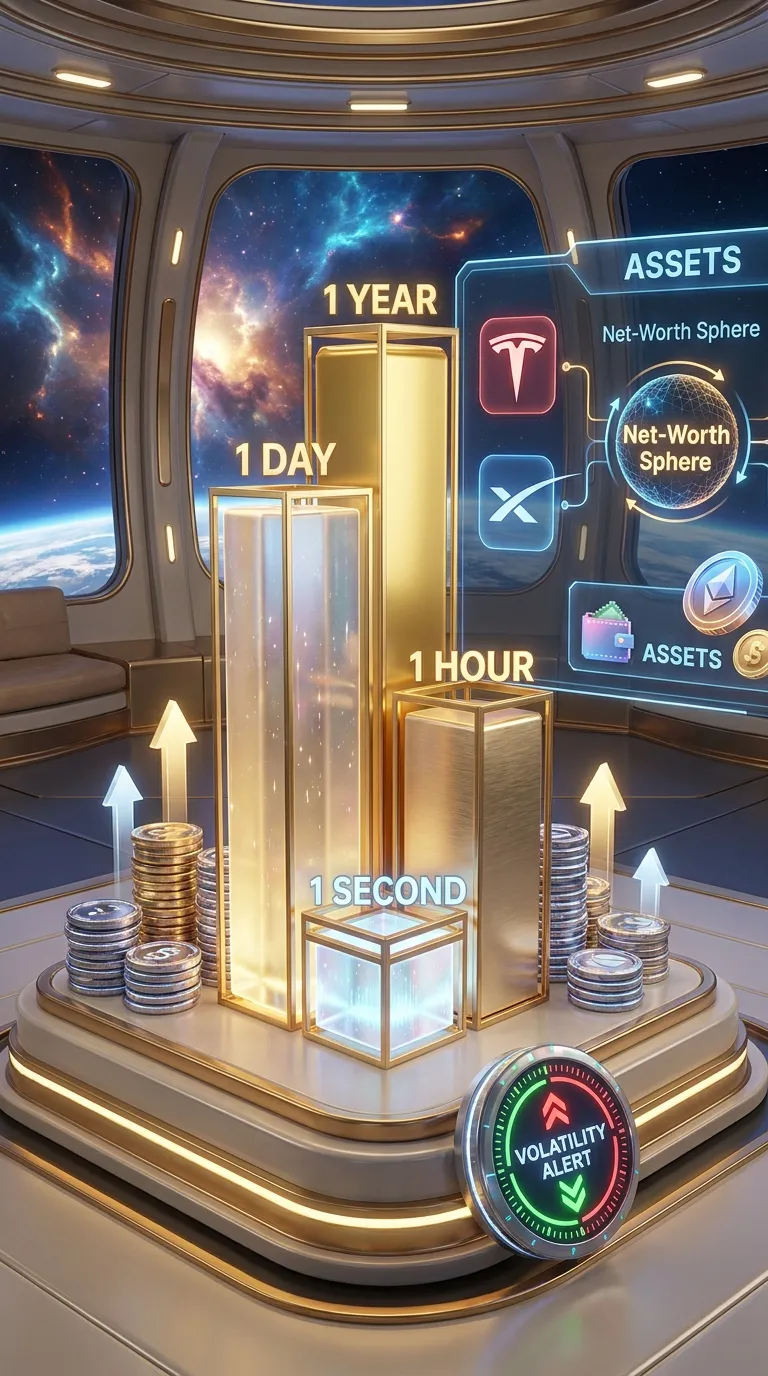
When people ask how much Elon Musk makes in a day, they usually mean how much his wealth increases over 24 hours, not what appears in a paycheck. Using recent yearly wealth growth estimates of $125 billion per year, the rough daily figure comes to about $342 million per day. If you break that down even more, it comes to around $14.2 million per hour and roughly $3,960 to $4,000 per second, which is honestly hard to even imagine.
| Time Period | Estimated Growth | What It Really Means |
|---|---|---|
| Per year | $125 billion | Estimated change in net worth |
| Per day | $342 million | Average daily wealth growth estimate |
| Per hour | $14.2 million | Derived estimate, not wages |
| Per second | $3,960-$4,000 | Paper wealth movement based on holdings |
That table shows why this gets confusing so quickly. These figures are not his salary, and they are really just rough averages. They reflect changes in the value of assets he owns, not money an employer pays him directly. Forbes and Bloomberg wealth trackers show that Musk’s fortune is tied heavily to Tesla stock, along with private companies like SpaceX. So the main point here is that this is about asset value, not payroll, which is usually the part people get mixed up.
Musk's net worth grows by roughly $4,000 every second of every day.
Want to go even smaller with the time frame just for fun? We covered that here: elon musk money per second. It helps show how huge these numbers look once you zoom in, so the scale becomes easier to understand. Pretty wild, really.
Why the number changes so much from day to day — and how much does Elon Musk make a day really vary?
The biggest reason Musk’s daily earnings are so hard to pin down is volatility. His wealth is tied to markets and private-company valuations, not to a steady flow of cash. Tesla stock can swing a lot in a single trading session, and that happens pretty often. SpaceX can go up in value after a funding event or tender offer. xAI and X can also shift how analysts estimate his fortune, which usually adds even more day-to-day movement.
Recent research shows 2026 net worth estimates ranging from $400+ billion to $839 billion+, depending on the source and the method used. That gap is huge. It usually tells readers something simple about these estimates: there is no single fixed answer, and any number can become outdated very quickly, sometimes even faster than people expect.
A lot of the difference comes from private assets. Public stocks like Tesla update constantly because the market is open and prices change every second. Private companies like SpaceX or xAI do not work that way. Their value usually changes after investment rounds, tender offers, or analyst estimates. One source may use a more cautious figure, while another may rely on a newer valuation, and that often leads to a different total.
Bloomberg's real-time index puts Musk's total net worth at roughly $400+ billion in 2026, far ahead of any other individual on Earth.
So average readers should treat any daily figure as a snapshot, not a promise. It can help show the size of his wealth on that specific day, but it is not the same as a fixed paycheck that someone can count on in most situations.
Where Elon Musk’s wealth actually comes from — and how much does Elon Musk make a day from each company
To understand how much Elon Musk makes in a day, it helps to look at what is behind his fortune. It is not tied to just one company. His wealth is linked to a business empire with several major parts, and that is probably the main thing to notice here. Research for this article estimated asset values at about $170 billion for SpaceX, $140 billion for Tesla, $50 billion for xAI, and $25 billion for X.
That mix matters a lot. Many people still see Tesla as the whole story, but newer reports suggest SpaceX may now be one of the biggest reasons Musk’s wealth has grown so much. Some analysts also point to the rise of his private companies as a big reason his net worth can go up so quickly, and that is often easy to miss.
Here’s the simple version:
Tesla
Tesla is probably the most visible part of Musk’s wealth. Since it’s public, people notice almost every rise or fall, and that can happen fast. If Tesla stock moves, Musk’s estimated fortune usually changes very quickly, and you’ll often see it right away.
SpaceX
SpaceX probably matters even more now, at least in this view. Big private valuation jumps can create huge paper gains, so his wealth often depends less on salary and more on owning a private business that’s growing fast.
xAI and X
These are smaller than Tesla and SpaceX, but they still count. AI companies can reach very high valuations, and that can raise Musk’s net worth even when no cash actually hits his bank account that day, which is usually the point.
That idea also fits pretty well with business-building games. In Spend Elon Musk Money, you get a better feel for huge wealth numbers by spending through them item by item. It’s pretty fun, and it often feels a bit like watching a digital empire grow and change in real time.
The mistake most people make when they hear ‘$342 million a day’
The biggest mistake, I think, is assuming Musk gets that much cash every morning, which probably sounds crazy. That’s usually not how billionaire wealth works. Most of it is “paper wealth,” which is pretty easy to understand once you put it in context.
In plain English, that value mostly shows up on balance sheets, stock charts, and business valuations, not in a bank account he can spend from. It’s not a daily cash payout. So if you’re wondering, here’s an easy way to think about it:
1. Start with ownership
Musk has stakes in companies, that’s the main part, and those holdings likely have value.
2. Watch the value change
If investors think a company is worth more, Musk’s holdings likely become more valuable too. It’s often that simple.
3. Translate the gain into a time frame
Writers often spread yearly growth over 365 days, which usually sounds simple enough. Then they say he “makes” that amount per day, which seems like the basic idea.
4. Remember it can reverse
If valuations fall, the same math can point to losses instead of gains.
That helps explain why one bad market day can wipe out much more than an average daily gain, which is easy to miss. It also shows why the phrase ‘daily earnings’ is really media shorthand: it sounds clean and simple, but the real picture is often more complicated.
A useful way to compare the scale is to move from daily numbers to much smaller time slices. Looking at how much does elon musk make a second can make the idea feel more real for most people, because it shows how those huge averages usually come from net-worth math.
If side-by-side comparisons about the person behind the fortune are interesting, there’s also What is the IQ of Elon Musk and how does it compare?. That’s another question people often search. It looks at a different angle connected to how people think about his success.
Additionally, readers might also enjoy exploring How tall is Elon Musk - Comparison for a fun look at another often-asked question.
What this tells us about business strategy and wealth building
Musk’s day-to-day wealth story is mostly a lesson in concentration. His fortune is tied to big ownership stakes in companies going after bold goals, with plenty of risk along the way. That setup creates huge upside, but it also usually comes with sharp swings. It is not the careful route most people choose, though it does show how owning part of a growing business can build much more wealth than a salary, especially when that business keeps growing over time.
There is another pattern worth noticing. A larger share of Musk’s fortune now seems tied to private-company valuations, especially SpaceX and xAI, which likely matters more than many people expect. That means future net worth jumps may come from funding rounds, mergers, tender offers, or similar deals, not just from stock market moves. Prediction markets have even pointed to milestones above $900 billion and $1.3 trillion before 2027. Those figures are forecasts, though, not present-day facts.
For readers, the clearest point is that billionaire wealth is often built through ownership, long-term bets, and sometimes leverage, rather than income first. In many cases, it is less about collecting a paycheck and more about controlling valuable assets.
Moreover, if you’re curious about his personal life, you can also read Elon Musk Personal Life: Did He Date Amber Heard?, which offers insight into another side of his story.
How to think about how much does Elon Musk make a day like a game mechanic
If you’re a gamer, this is usually a lot easier to picture through an idle game or clicker game. In games like those, wealth usually grows from assets that keep creating value over time, not from a regular paycheck. That’s much closer to Musk’s real situation, I think.
At the ultra-rich level, business growth can look a bit like an empire leveling up, which is pretty wild. One company works like a top-tier producer. Another gets a huge jump after a funding event. Then a new AI venture adds another leap in value, and suddenly the whole system levels up again.
That’s also part of why Spend Elon Musk Money feels so interesting to casual players. It turns huge numbers that barely feel real into something interactive instead. Instead of just staring at billions on a screen, you start to get a clearer sense of the scale. You also notice pretty fast how hard it is to actually “spend through” a fortune built on major companies and rising valuations.
And if the lifestyle side of that empire is what interests you, there’s more on that here: Where does Elon Musk live? Elon Musk’s House.
Frequently Asked Questions
Not in the normal salary sense. That figure is a rough average based on estimated annual net worth growth. On some days his wealth may rise more, and on other days it may fall.
Mostly no. Most of his wealth is tied to stock holdings and private-company stakes. That means the number is usually paper wealth, not cash paid into his account each day.
It depends on the source and date. Tesla has long been a major driver, but recent reports suggest SpaceX may now be one of the biggest parts of his fortune.
Recent estimates put it at around $3,960 to $4,000 per second on average. Again, this is based on net worth changes, not wages.
They use different methods, dates, and valuation models. Public stocks change fast, and private companies like SpaceX and xAI are harder to price, so estimates can vary a lot.
The bottom line on how much does Elon Musk make a day
So, how much does Elon Musk make in a day? The simplest estimate is about $342 million per day, based on recent yearly growth in his wealth. But that number is not a salary, and it is not money he actually gets each day. It is really just a rough snapshot of how the value of his assets can change over time, up or down.
That is also the more useful point here. Musk’s fortune mostly comes from ownership stakes in Tesla, SpaceX, xAI, and X. That setup gives him enormous wealth, but it also means his net worth can be very unstable from one day to the next. When markets rise, his net worth can jump fast. When they fall, huge paper losses can show up just as quickly, even if they remain on paper.
For readers and gamers, that is what usually makes this topic interesting. It works as a quick lesson in how businesses, ownership, and scale can create wealth in the real world. Pretty eye-opening, honestly. Want a way to make those huge numbers feel more real? spend elon musk money lets people explore that idea one purchase at a time, and it gives a simpler sense of how enormous a fortune like this really is.